Chimney Services in Randolph AFB, Texas
Chimney work across Randolph AFB and the whole ZIP code area it covers: sweeping and inspection, crown and masonry repair, relining, and the flashing and cap work that keeps water out.
- Free to use, and no obligation to go ahead
- CSIA certified and carrying current liability insurance
Leave the building and call from outside — that is an emergency services call, not a service call. A blocked or failed flue is one of the ways carbon monoxide reaches a living space, and headaches that clear when you leave the house point the same way. If you have had a chimney fire — a roaring sound, dense smoke, or debris on the roof — do not light another fire until the flue has been inspected.
Call about Randolph AFB
(844) 785-4066No charge to you, and you are never committed to going ahead.
What happens when you call
- You describe the problem and where you are.
- We put you in touch with a licensed contractor covering that area.
- They arrange the visit and agree the price with you directly.
Worth having to hand
- Roughly how old the system is
- What it is doing — or not doing
- Your ZIP code
- Homes built pre-1940
- 74%
- Homes heating with gas
- 49%
- Licensed & insured Every company we put you through to holds current licensing and insurance.
- Know what to ask You are told what actually decides the price, so you can judge a quote.
- Free to use There is no charge to you. Compare quotes and walk away at any point.
- Calls answered 7 days Someone picks up seven days a week, weekends included.
Chimney services in Randolph AFB
What we cover in Randolph AFB
Every job below is handled by licensed contractors working this area. Call and describe the problem — what it costs depends on your equipment and what the fault turns out to be, and that is agreed with the contractor directly.
How it works
Three steps, no obligation at any of them.
-
1
Call and tell us what is wrong
Describe the problem and give us your ZIP code. We match you with a chimney company covering your area — there is nothing to fill in and no charge to you — the contractor pays us, which is how it stays free at your end.
-
2
A local contractor gets in touch
A local chimney company contacts you to discuss the problem and arrange a visit in Randolph AFB. What they charge to attend or diagnose is theirs to set, so agree it with them up front.
-
3
You decide
Book the work, wait a season, or get a second quote. There is no obligation to go ahead with the contractor we introduce you to, and no charge to you either way.
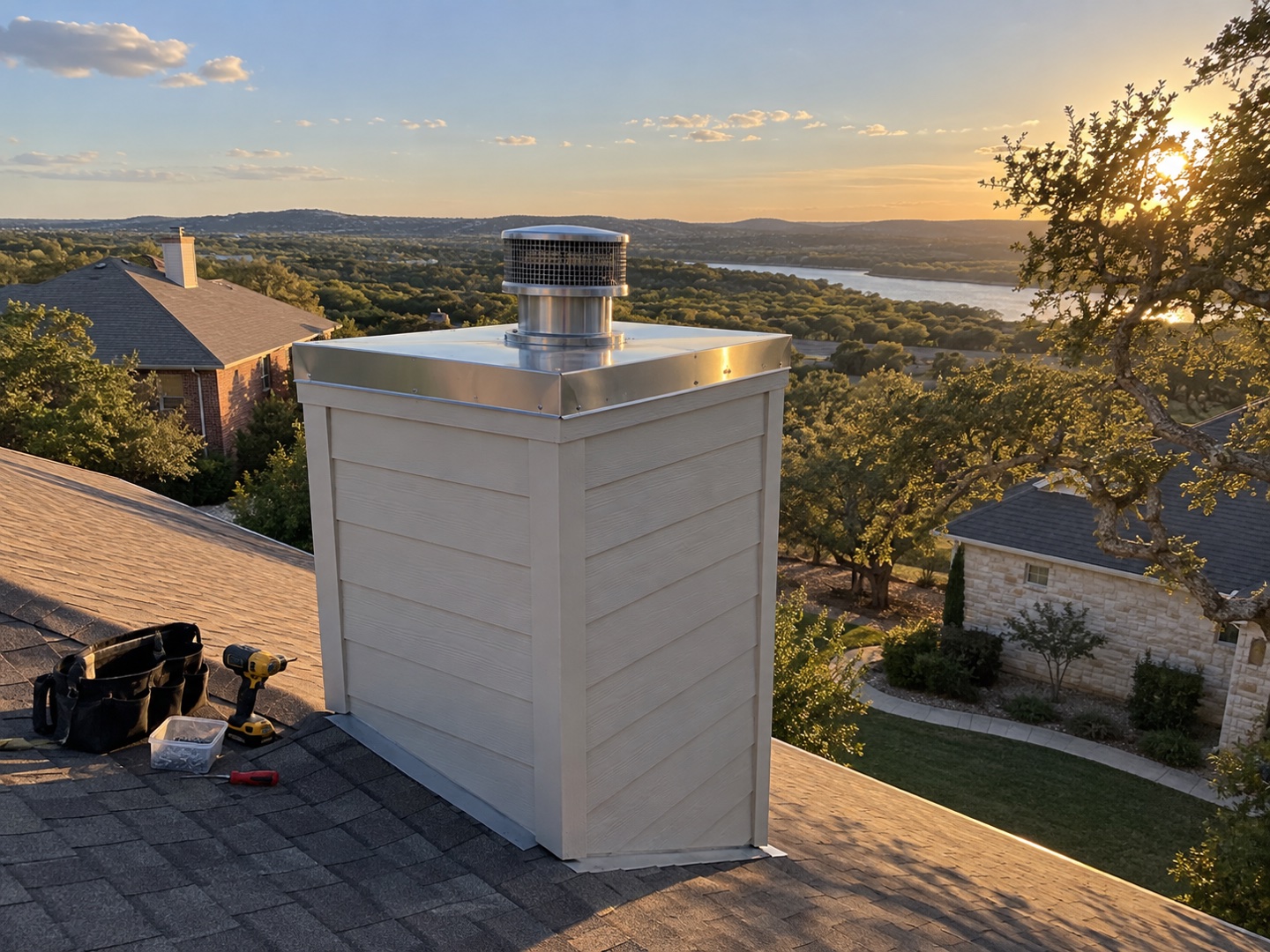
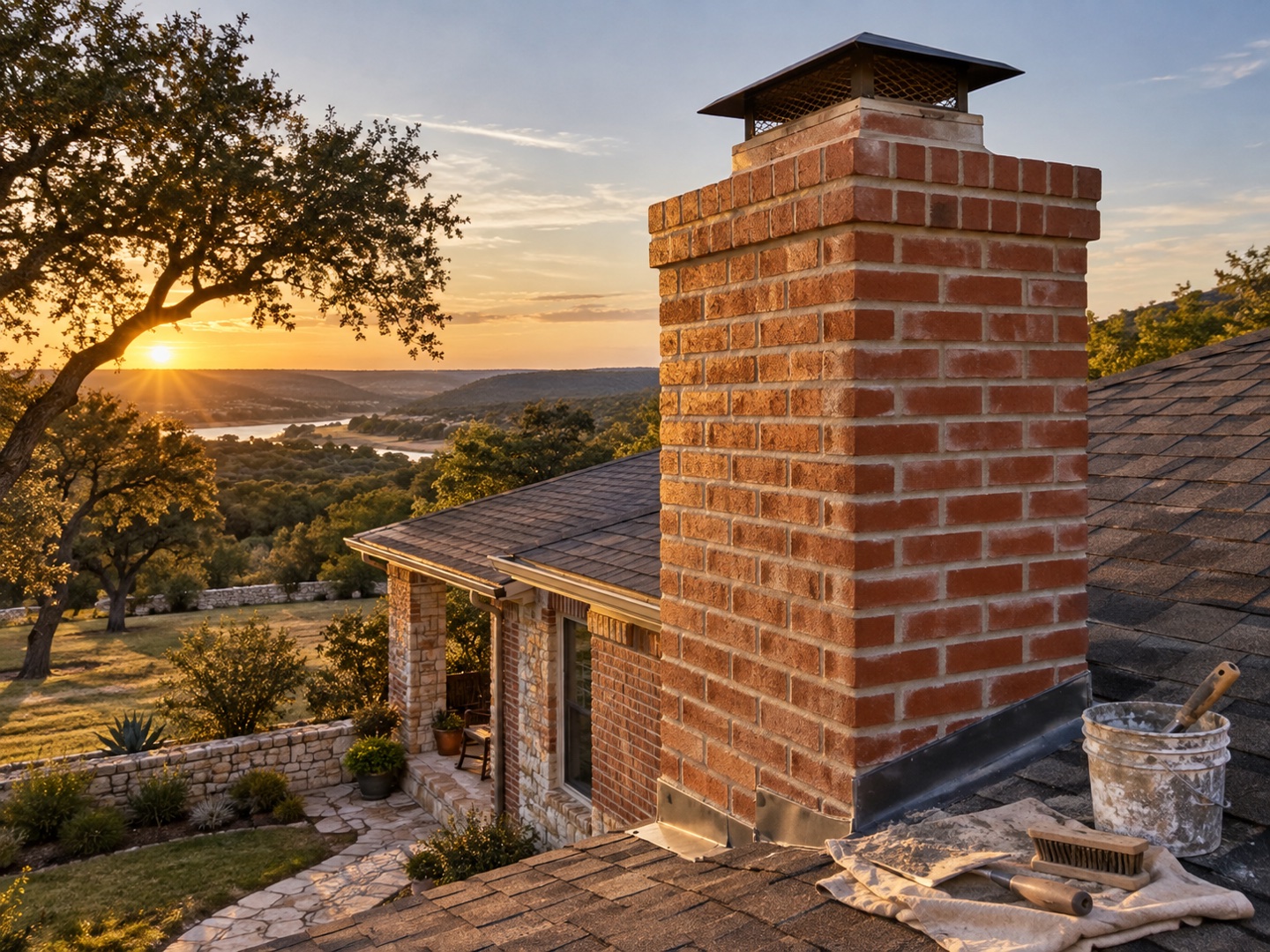
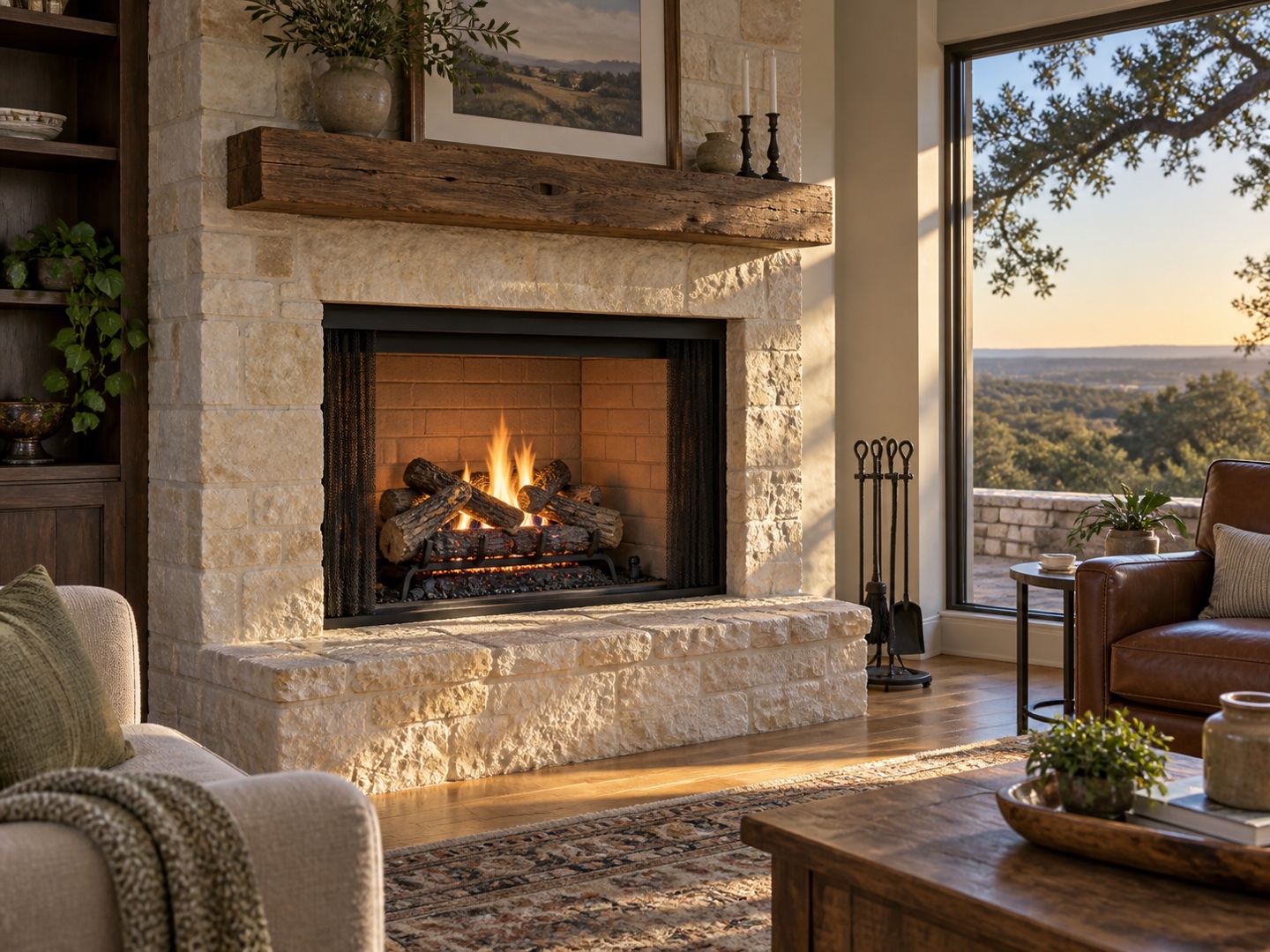
What these repairs look like
Illustrative examples of the work described here. More in our disclaimer.
Why systems struggle in Randolph AFB
What a chimney in Randolph AFB needs depends less on the house than on what has been done to it. A stack that has been capped, pointed and kept dry outlives one that has not by decades, and most of the difference is water rather than use.
About 74% of homes in Randolph AFB were built before 1940 — old enough that many were built before flue tile was standard; 49% of them heat with electricity, so a fireplace here is used by choice rather than by necessity and tends to be inspected far less often. (US Census ACS 2022)
The work we see most in Randolph AFB
A large share of Randolph AFB's housing predates 1940, and that shapes the work more than anything else. Chimneys of that age were frequently built before flue tile was standard, so the flue is brick and mortar joints with nothing lining it, and the brick itself is softer than anything made now. The most common mistake here is repointing that masonry with modern hard mortar, which makes the brick the sacrificial part and starts it spalling.
When to book work in Randolph AFB
If you can choose, have the chimney looked at in Randolph AFB between May and September. Mortar will not cure properly in the cold, a wet roof is a genuinely dangerous place to work, and anything that has to be made to measure — a liner, a chase cover, a multi-flue cap — takes time to arrive. All of that is easier before the season than during it.
Chimney in Randolph AFB — FAQs
Do you charge for a quote in Randolph AFB?
There is no charge to you at any point. What a company charges to attend or to carry out an inspection is theirs to set, so agree it with them before they come out. An inspection is a real piece of work with a written report attached, and it is reasonable for it to be chargeable.
How often should a chimney be inspected?
Annually, whatever it vents — that is the NFPA 211 standard and it covers gas and oil appliances as well as wood. Sweeping frequency is separate and depends on what and how much you burn. An appliance used twice a year still needs the annual look, and those are the ones where neglected faults turn up.
Do we need a chimney liner?
If a camera survey finds cracked tile, washed-out joints or a separated liner, yes. You also need one whenever the flue is the wrong size for the appliance now venting into it, which is the common case after any change of fuel or appliance. A liner is sized from the appliance manufacturer venting tables, not from what happens to fit down the chimney.
What does a Level 2 inspection include?
Everything in a Level 1 visual check, plus a camera survey of the entire flue and an examination of accessible attic, crawl space and basement areas. It is required on a property transfer, on any change of fuel or appliance, and after a chimney fire. A general home inspection does not include it.
Is chimney waterproofing worth doing?
On sound, porous, exposed masonry it genuinely slows the water absorption that destroys brick. On masonry that has already started to flake it is worse than doing nothing, because it traps water behind the damaged face. And it has to be a breathable repellent rather than a film-forming sealant — the film is what causes the damage people then blame on waterproofing.
What qualifications should a Randolph AFB chimney company have?
Ask for three things and check them: current liability insurance, CSIA certification from the Chimney Safety Institute of America, and whatever license or registration your state requires for the work in question. Ask to see the documents rather than taking the logo on the van as proof. For anything involving gas appliance venting, ask separately who is pulling the permit.
Can you work on a rental or multi-family property in Randolph AFB?
Yes. Ask for the findings in writing so a landlord or managing agent can act on them. In multi-family buildings the usual complication is the stack itself — one chimney frequently carries flues for several units with different owners, so establishing whose flue is whose comes before anyone quotes work.
My Randolph AFB house is pre-war — what does that change?
About 74% of housing in Randolph AFB predates 1940, and chimneys of that age behave differently. Many were built before flue tile was standard, so the flue is brick and mortar joints with no lining at all. Most have also changed fuel at least once without being resized. And the masonry itself is softer than anything made now, which means modern hard mortar does more harm than good on it. A camera survey is the only way to know which of those apply.
Nothing vents into our chimney any more. Does it still matter?
Less urgently, but yes. An uncapped disused flue collects rain, leaves and nesting for years with nobody noticing, and water sitting inside it damages the structure from within. If the chimney is genuinely finished with, removing it above the roofline and roofing over is a legitimate option. If anything at all still vents into it — a water heater in particular — then it matters as much as it ever did.
What chimney problem is most common around Randolph AFB?
Gas log sets serviced never, because nobody counts them as an appliance. That pattern is regional rather than universal — san Antonio, Corpus Christi, Laredo, McAllen and the Rio Grande Valley. It is worth knowing before you book, because it tells you what someone should be looking hardest at here.
Chimney issues specific to Randolph AFB
San Antonio, Corpus Christi, Laredo, McAllen and the Rio Grande Valley
The mildest part of the state, where a fireplace is close to purely decorative and gas log sets are the norm. That produces the familiar problem of an appliance nobody thinks about: a gas set with a dirty pilot assembly, a damper that has been clamped part-open for years and forgotten, or a flue full of nesting found only when someone lights it for the one cold week of the year. San Antonio's older districts carry Spanish colonial masonry that needs treating as historic fabric. On the coast at Corpus, salt applies.
What we see most in San Antonio and South Texas
- Gas log sets serviced never, because nobody counts them as an appliance
- Dampers clamped part-open for a gas conversion and then forgotten entirely
- Nesting and debris discovered on the first cold night of the year